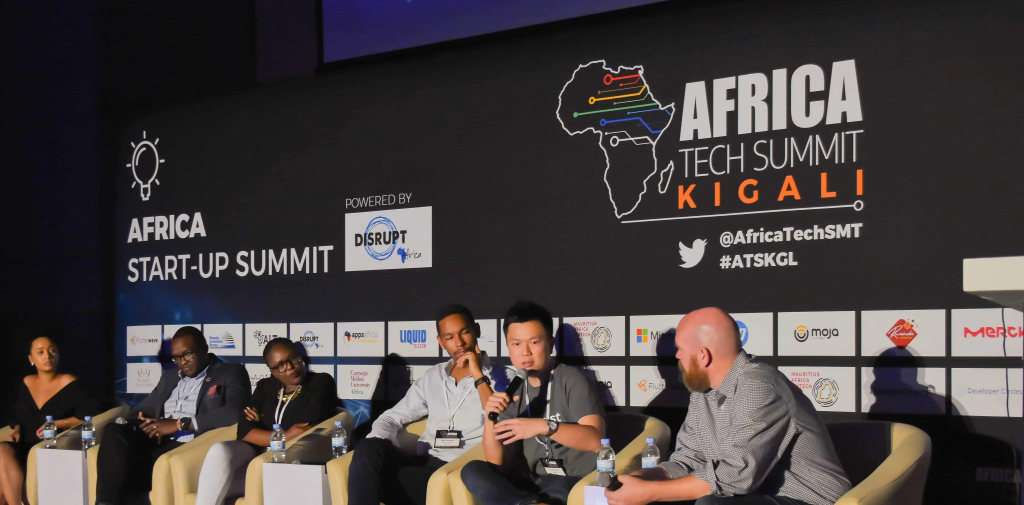
Africa’s technology ecosystem is entering a new phase of growth as startups, investors and governments intensify efforts to build digital economies capable of driving long-term development. Once viewed as an emerging market for technology adoption, the continent is increasingly becoming a source of innovation, producing globally recognised startups, attracting billions of dollars in investment and developing solutions tailored to local and international challenges.
Over the past decade, African technology companies have transformed sectors including financial services, healthcare, agriculture, education and logistics. Cities such as Lagos, Nairobi, Cape Town, Cairo and Kigali have emerged as leading innovation hubs, fostering vibrant startup communities supported by accelerators, venture capital firms, research institutions and government-backed digital policies.
According to Partech Africa’s 2024 Africa Tech Venture Capital Report, African startups secured more than US$3.2 billion in equity, debt and grant funding during 2024 despite a global slowdown in venture capital investment. Nigeria, Kenya, South Africa and Egypt continued to account for a significant share of startup funding, while countries such as Rwanda, Senegal and Ghana strengthened their positions as emerging innovation ecosystems. The report highlights growing investor confidence in African founders developing scalable solutions for both local and global markets.
The fintech sector continues to lead the continent’s digital transformation. Nigerian payment technology company Flutterwave, now operating in more than 30 African countries, has built payment infrastructure connecting African businesses with global markets. Moniepoint, another Nigerian fintech, has become one of Africa’s fastest-growing financial technology companies, supporting millions of businesses with digital banking and payment solutions after securing major international investment. In Kenya, M-Pesa, developed by Safaricom, remains one of the world’s most successful mobile money platforms, processing billions of transactions annually and serving over 70 million customers across multiple African markets.
Innovation is also expanding beyond financial technology. In Rwanda, Zipline continues to transform healthcare logistics by using autonomous drones to deliver blood, vaccines and essential medicines to remote communities, significantly reducing delivery times and improving emergency healthcare access. In South Africa, companies specialising in renewable energy technologies and artificial intelligence are developing solutions to address energy reliability and industrial productivity, while Egyptian startups are making significant advances in e-commerce, logistics and digital financial services.
Governments are increasingly recognising that digital innovation requires supportive policies and infrastructure. Morocco recently signed a strategic partnership with Vertiv to strengthen cloud computing and AI-ready digital infrastructure under its Digital Morocco 2030 strategy. Rwanda continues to invest in digital public services and nationwide connectivity, while Kenya’s Konza Technopolis is being developed as a technology and innovation city designed to attract investors, researchers and global technology companies. These initiatives reflect a broader continental commitment to creating environments where innovation can thrive.
The growth of Africa’s technology ecosystem is generating measurable economic impact. Beyond attracting investment, startups are creating employment opportunities for young professionals, expanding access to financial services, improving healthcare delivery and enabling small businesses to participate more effectively in the digital economy. The African Development Bank has consistently identified digital transformation as a critical driver of economic diversification, productivity and competitiveness, particularly as Africa prepares for one of the world’s largest working-age populations.
Despite this momentum, challenges remain. Limited access to growth capital, infrastructure gaps, regulatory inconsistencies and digital skills shortages continue to constrain many startups. Addressing these barriers will require stronger collaboration between governments, investors, universities, development institutions and the private sector to ensure African innovation can scale sustainably and compete globally.
As Africa positions itself for the next wave of technological advancement, the conversation is increasingly shifting from whether the continent can innovate to how it can build stronger ecosystems that support entrepreneurs, commercialise research and create industries capable of competing on the global stage.
These issues will take centre stage at the New Africa Youth Economic Summit & Honours 2026, themed “Building Africa’s Future Through Innovation, AI, Youth Enterprise & Strategic Partnerships.” The summit will bring together policymakers, technology leaders, investors, entrepreneurs and development partners to explore how collaboration can accelerate Africa’s digital economy while creating opportunities for young innovators across the continent.
The New Africa Group invites technology companies, venture capital firms, development institutions, innovation hubs and strategic investors to partner with the summit in advancing Africa’s technology ecosystem. By supporting innovation, digital infrastructure and youth enterprise, stakeholders can contribute to building an Africa where technology drives inclusive growth, industrial development and global competitiveness.
Register for the New Africa Youth Economic Summit & Honours 2026: https://forms.gle/9AzcoyauvZnaJpmZ6
TNAM
By Egwu Patience Nnennaya
Thursday July 30th, 2026.