Africa’s fight against malaria has entered a new era with the rollout of the world’s first malaria vaccines across several countries, marking one of the most significant public health milestones in decades. While early results have shown that the vaccines can significantly reduce severe illness and deaths among young children, healthcare experts caution that the programme’s success will depend on one crucial factor ensuring every child receives all four recommended doses.
The RTS,S/AS01 (Mosquirix) vaccine, developed by GSK, became the world’s first malaria vaccine recommended by the World Health Organization (WHO) in 2021 after years of clinical trials in Africa. It was later joined by the R21/Matrix-M vaccine, developed by the University of Oxford and manufactured by the Serum Institute of India, which received WHO recommendation in 2023. Together, the two vaccines have expanded the continent’s ability to protect millions of children living in areas with moderate to high malaria transmission.
Countries including Ghana, Kenya and Malawi pioneered the pilot introduction of the RTS,S vaccine, with more than two million children receiving at least one dose before the programme was expanded. Since then, nations such as Cameroon, Benin, Burkina Faso, Côte d’Ivoire, Liberia, Sierra Leone, South Sudan, the Central African Republic and Uganda have incorporated malaria vaccination into their national immunisation programmes, with additional countries expected to follow.
According to the World Health Organization’s World Malaria Report, Africa continues to bear the overwhelming burden of the disease, accounting for approximately 94 per cent of global malaria cases and 95 per cent of malaria-related deaths. Children under the age of five remain the most vulnerable, representing about three-quarters of all malaria deaths worldwide. In many communities, malaria continues to be one of the leading causes of childhood illness, hospital admissions and preventable deaths.
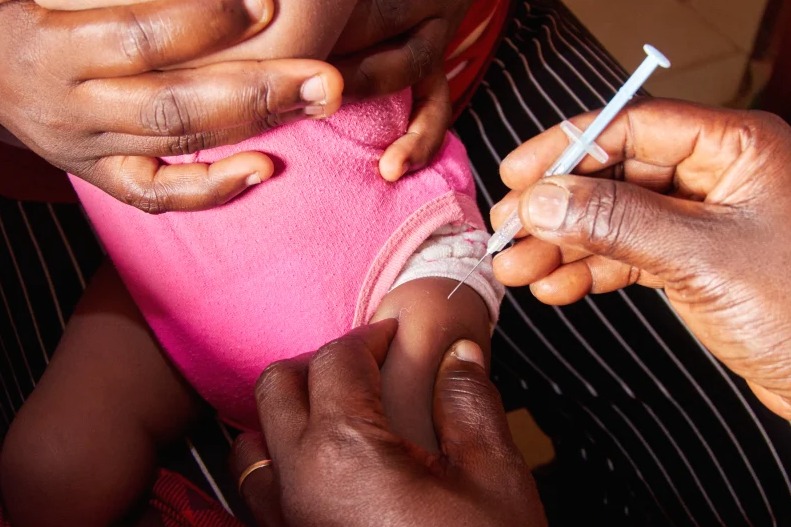
Clinical trials have shown that when administered alongside existing malaria prevention measures, both vaccines significantly reduce severe malaria and hospitalisation. However, unlike many routine childhood vaccines that require one or two doses, malaria vaccines require four doses, administered over approximately two years, to achieve optimal protection. Missing the final dose can reduce the vaccine’s effectiveness and leave children more vulnerable to infection.
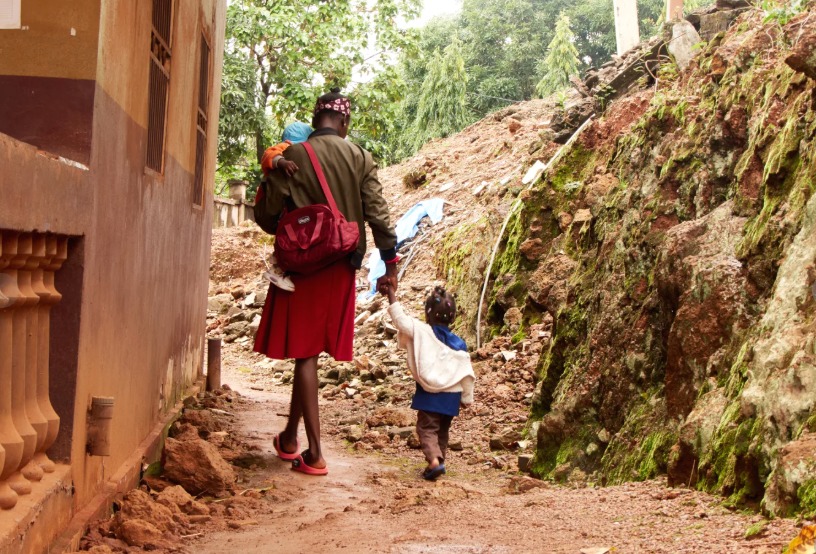
Health officials say completing the vaccination schedule has emerged as one of the programme’s greatest operational challenges. Families in remote communities often travel long distances to health centres, while transportation costs, limited awareness, competing household priorities and occasional vaccine misinformation contribute to missed appointments. In some areas, weak healthcare infrastructure and shortages of health workers further complicate efforts to ensure children receive every scheduled dose.
Despite these challenges, early evidence from pilot countries has been encouraging. WHO has reported substantial reductions in severe malaria cases and child hospitalisations in areas where vaccination has been introduced alongside insecticide-treated mosquito nets, seasonal malaria chemoprevention, indoor residual spraying and improved access to diagnosis and treatment. Public health experts stress that vaccination is designed to complement not replace existing malaria control interventions.
International partners, including WHO, UNICEF, Gavi, the Vaccine Alliance, and national governments, continue to expand vaccine distribution while investing in stronger cold-chain systems, healthcare worker training and community awareness campaigns. These efforts are intended to improve vaccine coverage and ensure more children complete the full four-dose schedule.
The introduction of malaria vaccines represents one of Africa’s most promising breakthroughs in the fight against a disease that has claimed millions of lives over generations. Yet experts agree that vaccines alone will not eliminate malaria. Sustained political commitment, adequate funding, community engagement and stronger primary healthcare systems will be essential to ensuring that every eligible child receives complete protection.
As African countries continue to scale up immunisation programmes, the focus is now shifting from vaccine availability to vaccine completion. Health authorities believe that ensuring children receive all four doses could save tens of thousands of young lives each year and move the continent closer to achieving its long-term goal of ending malaria as a major public health threat.
TNAM
By Egwu Patience Nnennaya
Thursday July 30th, 2026.