Zambia Advances $1.36 Billion Plan to Strengthen Power Infrastructure
The proposed $1.36 billion agreement has gained strong support from international bondholders and is expected to strengthen Zambia's electricity sector while advancing the country's economic recovery and long-term infrastructure development.

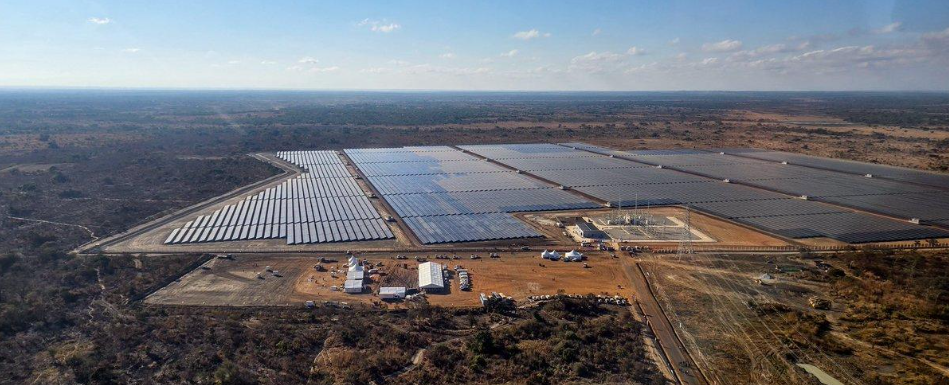
Zambia is on the verge of securing a landmark $1.36 billion debt-for-energy agreement, a move expected to strengthen the country’s electricity sector while advancing broader efforts to restore economic stability and attract long-term investment.
The proposed deal has received overwhelming backing from international bondholders, marking a significant step in Zambia’s ongoing debt restructuring programme. If finalised, it will become one of Africa’s most notable debt-for-development arrangements, allowing the country to redirect financial resources toward expanding its energy infrastructure.
Under the agreement, a portion of Zambia’s debt obligations will be linked to investments in the country’s power sector, helping finance critical electricity projects while easing pressure on public finances. The initiative is designed to support the development of reliable energy infrastructure needed to drive industrial growth, mining, manufacturing and economic expansion.
Government officials say improving electricity generation and distribution remains a national priority, particularly as Zambia seeks to meet rising energy demand and reduce the impact of recurring power shortages that have affected businesses and households in recent years.
The debt-for-energy arrangement forms part of Zambia’s wider economic reform agenda following its sovereign debt default in 2020. Since then, the government has worked with international creditors, development partners and financial institutions to restructure its debt and restore investor confidence.
Economic analysts say the agreement could provide Zambia with greater fiscal flexibility while unlocking investment in renewable energy and other strategic power projects. A stronger electricity network is expected to improve productivity, encourage private sector investment and create new employment opportunities across key industries.
Zambia possesses significant energy potential, particularly in hydropower and solar energy. However, prolonged droughts and climate-related challenges have placed pressure on hydroelectric generation, highlighting the need to diversify the country’s energy mix and invest in more resilient infrastructure.
The proposed financing mechanism is also being viewed as a model that could inspire similar arrangements in other African countries seeking innovative ways to balance debt management with infrastructure development. By linking debt restructuring to strategic investment, governments can continue financing essential projects while improving long-term economic sustainability.
Investors have welcomed the progress, describing the strong level of creditor support as a positive signal for Zambia’s economic recovery and reform programme. The agreement is expected to enhance confidence in the country’s financial outlook and strengthen its position as an investment destination in Southern Africa.
If approved, the deal will mark another milestone in Zambia’s journey toward economic recovery, demonstrating how innovative financing can help African nations address debt challenges while investing in the infrastructure needed to support sustainable growth and development.
TNAM
By Egwu Patience Nnennaya
Monday June 29, 2026.