Africa Moves to Capture More Value from Its Cotton Industry
Africa is seeking to transform its cotton sector by expanding local processing and textile manufacturing, with leaders viewing value addition as a key driver of industrialisation, job creation and sustainable economic growth across the continent.

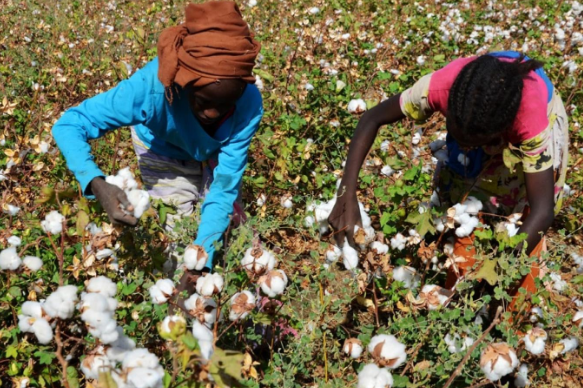
Africa is stepping up efforts to transform its cotton industry by shifting from the export of raw cotton to local processing and manufacturing, a move aimed at creating jobs, boosting industrialisation and capturing more value from one of the continent’s most important agricultural commodities.
For centuries, cotton has played a central role in global trade, serving as a key raw material for the textile and fashion industries. While Africa remains one of the world’s largest producers of high-quality cotton, much of the crop has traditionally been exported in its raw form, with the bulk of its economic value created through processing and manufacturing in other regions.
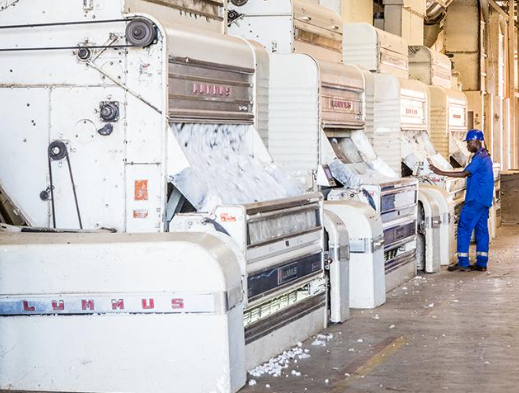
Policymakers and industry stakeholders are now seeking to change that narrative by expanding domestic textile production, strengthening manufacturing capacity and building integrated cotton value chains across the continent.
Experts say increasing local processing could significantly boost economic growth by allowing African countries to produce yarn, fabrics and finished garments rather than relying primarily on raw cotton exports. Such a shift would not only increase export earnings but also create employment opportunities across farming, manufacturing, logistics and retail.
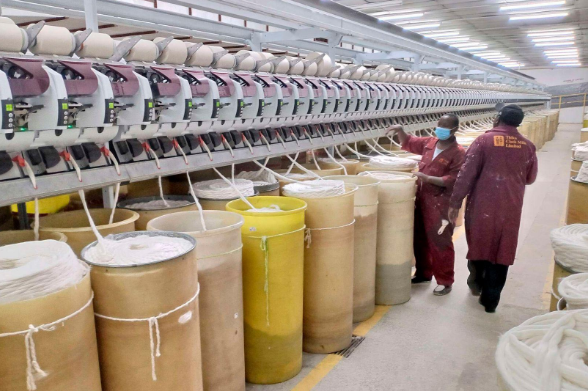
Several African countries, including Benin, Mali, Burkina Faso, Egypt and Côte d’Ivoire, rank among the continent’s leading cotton producers. Governments are increasingly investing in policies that encourage local value addition, attract investment into textile manufacturing and improve the competitiveness of African-made products in global markets.
The renewed focus comes at a time when the African Continental Free Trade Area (AfCFTA) is opening new opportunities for regional trade. By reducing trade barriers and expanding market access, the agreement is expected to strengthen supply chains and encourage textile manufacturers to source cotton and finished products from within Africa.
Industry analysts believe the continent has the potential to become a major global textile and apparel hub if investments in infrastructure, energy, technology and industrial parks continue to grow. Expanding local manufacturing would also reduce dependence on imported textiles while supporting economic diversification.
Supporters of the strategy argue that greater investment in cotton processing represents more than an industrial policy—it is an opportunity for Africa to retain more of the wealth generated from its natural resources and agricultural production.
Challenges remain, including access to affordable financing, reliable electricity, modern production facilities and competitive transport networks. However, governments and private sector investors are increasingly collaborating to address these barriers and strengthen the continent’s textile industry.
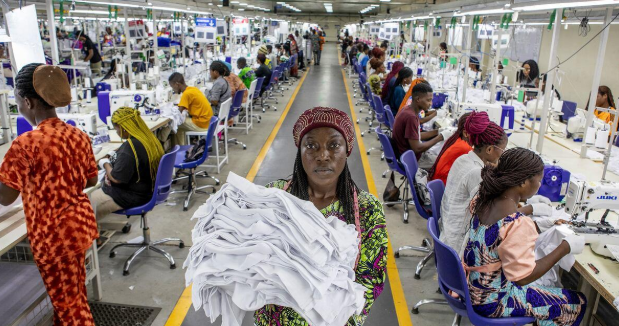
As global demand for sustainable and ethically produced textiles continues to rise, Africa’s abundant cotton resources, expanding workforce and improving trade integration could position the continent as a competitive player in the international textile market.
By capturing more value at home, African countries hope to transform cotton from a largely exported raw commodity into a driver of industrial growth, job creation and long-term economic development, reinforcing the continent’s ambition to build stronger manufacturing industries and more resilient economies.
TNAM
By Egwu Patience Nnennaya
Friday June 26, 2026.