
Guinea Pushes Ahead with Major Gold Refinery Project to Boost Local Mining Industry
The planned 100-tonne refinery will process gold from Guinea and neighbouring countries, supporting local value addition, creating jobs and strengthening the country's position in West Africa's mining sector.

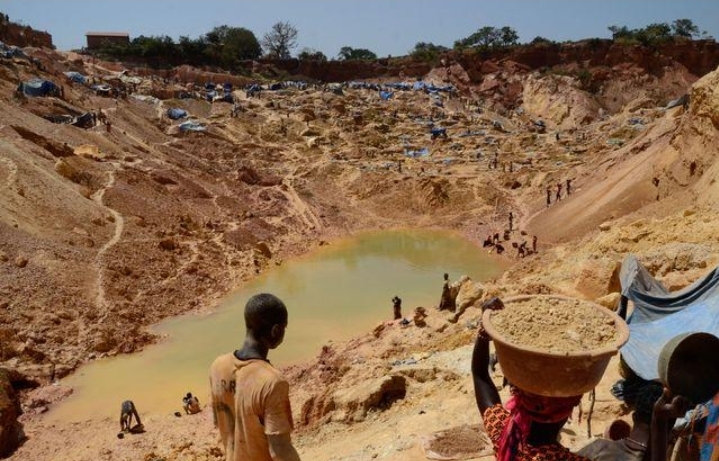
The planned refinery will process up to 100 tonnes of gold annually, helping Guinea retain more value from its mineral wealth while strengthening its position as a regional gold refining hub.
Guinea is moving forward with plans to establish one of West Africa’s largest gold refineries, as the government intensifies efforts to increase local mineral processing and maximise the economic benefits of the country’s abundant natural resources.
The project, which will be developed through a partnership between the Government of Guinea and the Emirates Minting Factory (EMF) of the United Arab Emirates, is expected to be located in Kouroussa Prefecture in Guinea’s Kankan Region. Once completed, the refinery will have the capacity to process up to 100 tonnes of gold annually, making it one of the region’s largest precious metals refining facilities.
The initiative forms part of the mining reforms introduced by the administration of President Mamadi Doumbouya, which has prioritised local value addition since assuming power in 2021. The government has increasingly required mining companies to process more of the country’s mineral resources domestically rather than exporting raw materials abroad.
Speaking on the project, Minister of Mines and Geology, Bouna Sylla, said the refinery would strengthen Guinea’s mining industry by improving transparency, increasing government revenue and ensuring that a greater share of the country’s mineral wealth benefits the national economy.Officials say the refinery will process gold mined within Guinea as well as supplies from neighbouring countries, including Mali, Burkina Faso, Senegal and Sierra Leone, positioning Guinea as a regional centre for gold refining and precious metals trade.
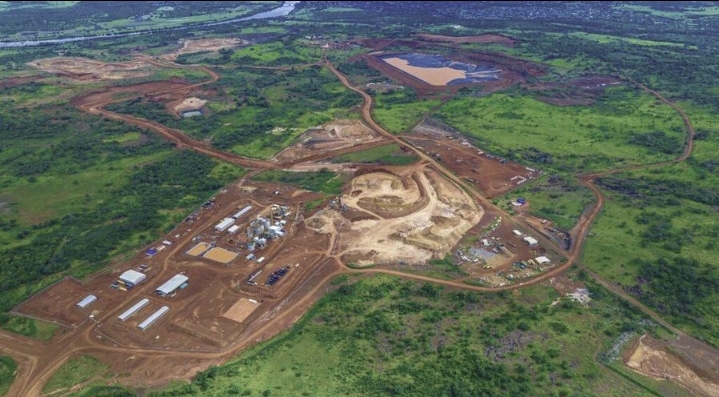
Guinea is already one of Africa’s leading gold producers and the world’s largest producer of bauxite, the primary raw material used in aluminium production. However, much of its gold has traditionally been exported to foreign refineries, limiting the country’s ability to capture additional value from the resource.
Authorities believe the new refinery will help change that by reducing reliance on overseas processing facilities while creating employment opportunities for engineers, technicians and other skilled professionals within the country.
The project is also expected to strengthen oversight of the gold sector by improving traceability and formalising the marketing of gold produced by both industrial and artisanal miners. Government officials say this will enhance investor confidence while supporting efforts to combat illicit mineral trade.
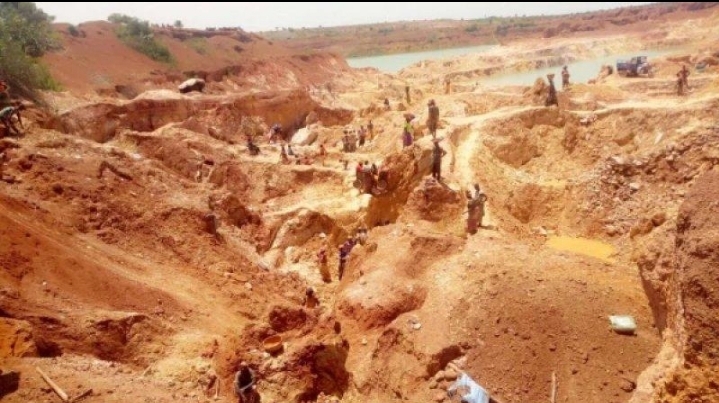
Industry analysts say the refinery could significantly improve Guinea’s position in the global mining value chain, allowing the country to export refined gold instead of raw material and generate higher returns from one of its most valuable natural resources.
The development comes as several African countries pursue policies aimed at processing more minerals locally before export. Governments across the continent argue that local beneficiation is essential for creating jobs, supporting industrialisation and ensuring that Africa retains more of the wealth generated from its natural resources.
If completed as planned, Guinea’s new refinery is expected to become a strategic asset for the country’s mining sector, reinforcing its ambition to emerge as one of Africa’s leading mineral-processing and precious metals trading hubs.
As demand for responsibly sourced and refined gold continues to grow globally, officials believe the project will strengthen Guinea’s competitiveness while contributing to long-term economic growth and sustainable industrial development.
TNAM
By Egwu Patience Nnennaya
