The World Health Organization (WHO) has renewed its appeal for increased international support to contain the rapidly spreading Ebola outbreak in Central Africa, warning that stronger financing, political commitment and community participation will be critical to bringing the crisis under control.
The appeal comes as the Ebola outbreak, caused by the Bundibugyo strain of the virus, continues to spread across parts of the Democratic Republic of the Congo (DRC) and Uganda. Health authorities describe it as one of the largest and fastest-growing Ebola outbreaks ever recorded, with thousands of confirmed infections and more than 1,600 deaths reported in the DRC.
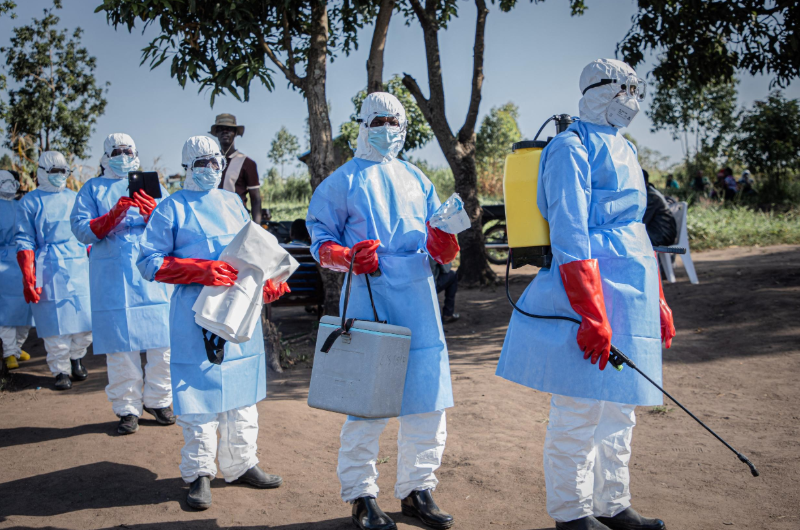
In response to the growing emergency, the WHO and the Africa Centres for Disease Control and Prevention (Africa CDC) launched a joint US$518 million continental preparedness and response plan to strengthen surveillance, laboratory testing, infection prevention, clinical care, community engagement and cross-border preparedness across affected and at-risk countries. The six-month plan, running from June to November 2026, adopts a unified “One Response” approach designed to improve coordination among governments, humanitarian organisations and development partners.
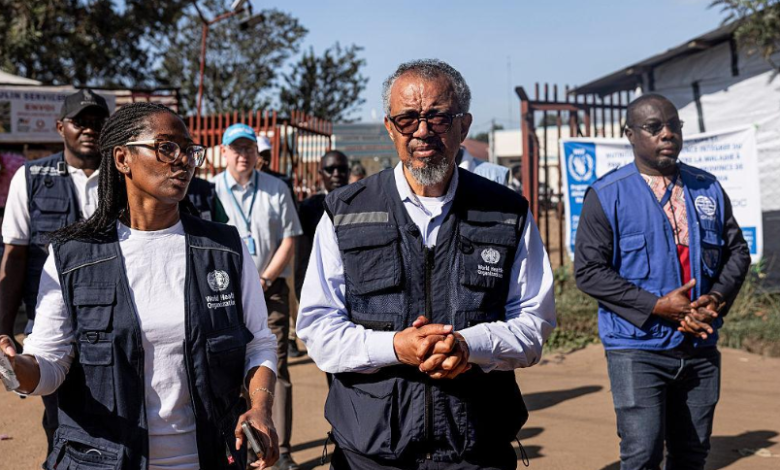
WHO Director-General Dr. Tedros Adhanom Ghebreyesus said containing the outbreak will require more than medical expertise. He stressed that sustained financing, political leadership and the trust of local communities are essential, warning that without effective community engagement, contact tracing becomes more difficult, treatment is delayed and transmission continues.
The current outbreak is particularly challenging because it is caused by the Bundibugyo species of Ebola virus, for which there is no licensed vaccine or approved treatment. Researchers, however, are making significant progress. WHO is supporting clinical trials of experimental therapies in the DRC, while vaccine candidates developed by the University of Oxford, the Serum Institute of India, and Moderna have entered early-stage clinical testing. Scientists are also evaluating whether existing Ebola vaccines may provide partial protection against the Bundibugyo strain.
Health officials say the outbreak is unfolding under exceptionally difficult conditions. Armed conflict, population displacement, poor road infrastructure, insecurity and limited access to healthcare continue to hamper response efforts. Community mistrust and misinformation have also complicated disease surveillance and contact tracing, allowing the virus to spread more rapidly in some affected areas.
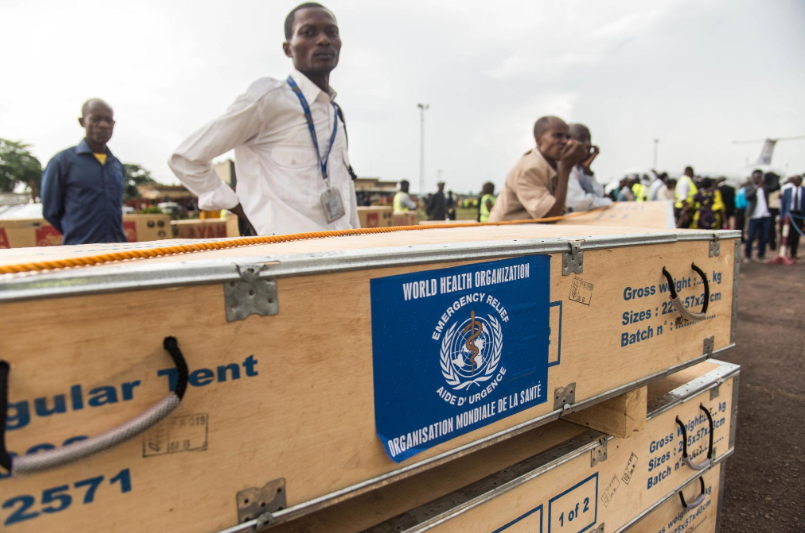
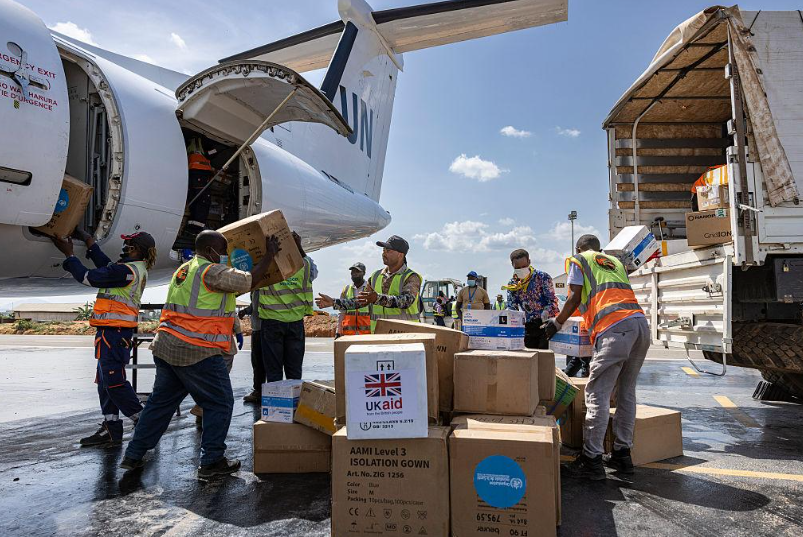
WHO has expanded its presence on the ground, deploying emergency response teams, laboratory experts and medical supplies while working alongside national governments, Africa CDC, UNICEF, the World Food Programme and other humanitarian partners. The organisation is also strengthening border surveillance and supporting neighbouring countries to improve preparedness in case of cross-border transmission.
Public health experts have emphasised that Ebola outbreaks can only be contained through rapid detection, effective isolation of patients, comprehensive contact tracing, safe burial practices and strong community cooperation. They warn that delays in funding or response efforts could increase the risk of further spread and place additional pressure on already fragile health systems.
Despite the challenges, WHO remains optimistic that coordinated international action can bring the outbreak under control. Lessons learned from previous Ebola emergencies have strengthened preparedness across Africa, while ongoing research into new vaccines and treatments offers hope for improving future outbreak responses.
The latest appeal underscores the importance of sustained investment in Africa’s public health systems and greater collaboration between governments, international organisations, researchers and development partners. As countries continue working together to contain the outbreak, health authorities maintain that acting quickly and collectively will be essential to protecting lives and preventing further transmission across the region.
TNAM
By Egwu Patience Nnennaya
Wednesday August 5th, 2026.