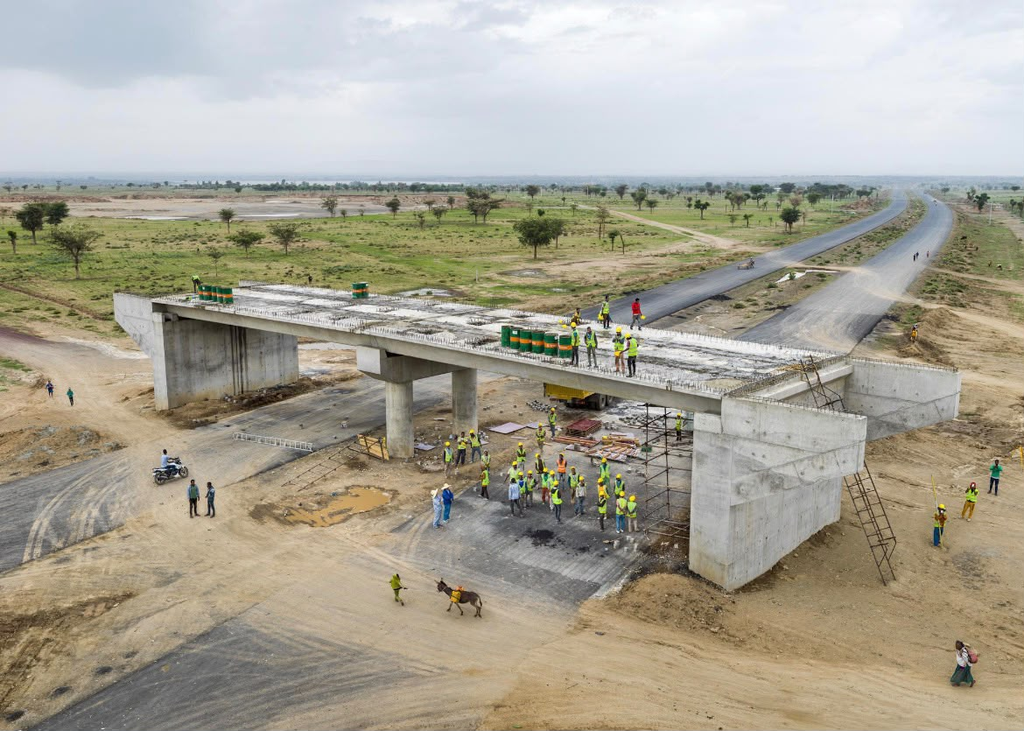
Ethiopia has launched a new assessment to determine how public infrastructure investments can create more and better jobs while supporting broader economic development.
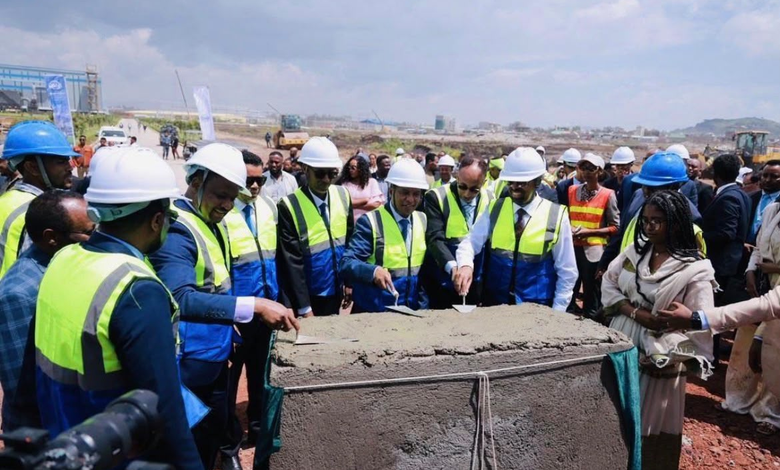
The Ethiopian Ministry of Urban and Infrastructure, in partnership with the International Labour Organization (ILO), launched the Employment Impact Assessment (EmpIA) of public infrastructure investment on September 4, 2026, in Bishoftu, Ethiopia.
The assessment will examine the employment effects of public infrastructure spending, including the direct, indirect and induced jobs generated by investments. It will also assess the quantity and quality of employment created and identify which types of public investments have greater potential to support jobs and local economic activity.
The initiative is supported by the Government of the Netherlands through the ILO’s PROSPECTS programme. Representatives from government institutions, development partners, academia, employers’ and workers’ organisations participated in the launch and technical consultations.
According to the ILO, the findings are expected to provide evidence that can guide Ethiopia’s infrastructure planning, budgeting and public investment decisions. The assessment will also examine how infrastructure investment can improve access to employment opportunities for vulnerable groups, including forcibly displaced people and host communities.
Senior Infrastructure Advisor at Ethiopia’s Ministry of Urban and Infrastructure, Bekele Negussie, said the government’s longer-term objective is to move the assessment beyond a one-off exercise and develop a roadmap for integrating employment impact assessment into national planning, budgeting and public investment appraisal systems.
The assessment follows earlier preparations by the ILO. In April 2026, the organisation issued a request for proposals for a consultancy to conduct an Employment Impact Assessment of public infrastructure investments in Ethiopia, showing that the initiative had been under development before its September launch.
The programme is expected to give policymakers a clearer picture of how infrastructure spending translates into employment and economic opportunities. It will also help Ethiopia assess how decisions around public investment can contribute to productive employment, decent work and more inclusive economic growth.
TNAM