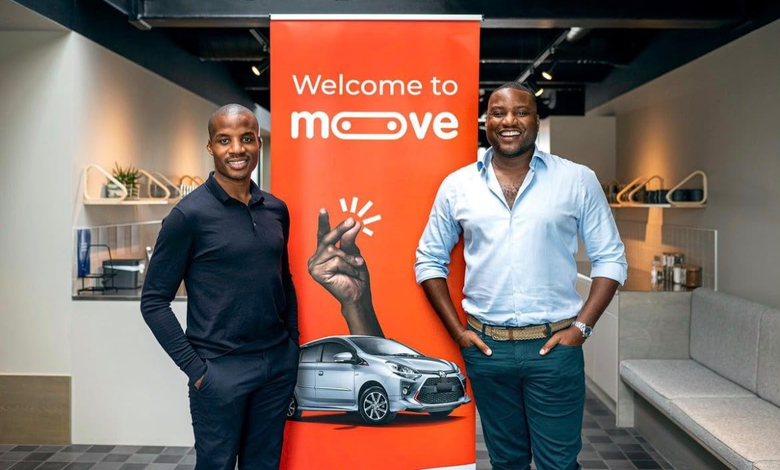
Founded by two Nigerian entrepreneurs to help drivers access vehicle financing, Moove has grown into an international mobility company backed by some of the world’s biggest investors. Its journey from Lagos to the global autonomous vehicle industry is one of Africa’s notable business stories.
In 2020, two Nigerian entrepreneurs, Ladi Delano and Jide Odunsi, set out to address a challenge facing thousands of people working in the transport and ride-hailing industry: access to vehicles.
For many drivers, owning a car was difficult because traditional banks required credit histories, collateral and financial records that many independent drivers could not provide. Yet these were people who needed vehicles to earn a living.
The two entrepreneurs saw an opportunity in that gap and founded Moove in Lagos, Nigeria.
What began as a vehicle-financing business has since developed into an international mobility company, attracting investment from major global financial institutions and expanding into markets across Africa, Europe, Asia and the Middle East.
Today, Moove is valued at approximately $2.1 billion, following a $250 million Series C funding round announced in August 2026. The company has grown from an initial fleet of 76 vehicles in Lagos to approximately 42,000 vehicles operating across 29 cities in 13 countries, according to figures released by the company.
A business built around helping drivers own vehicles
Moove’s original model was designed to make vehicle ownership more accessible to people working in mobility services.
Instead of relying exclusively on conventional credit assessments, the company uses technology and productivity data to evaluate drivers’ eligibility for vehicle financing. Drivers can access vehicles and make payments from the income they generate through their work.
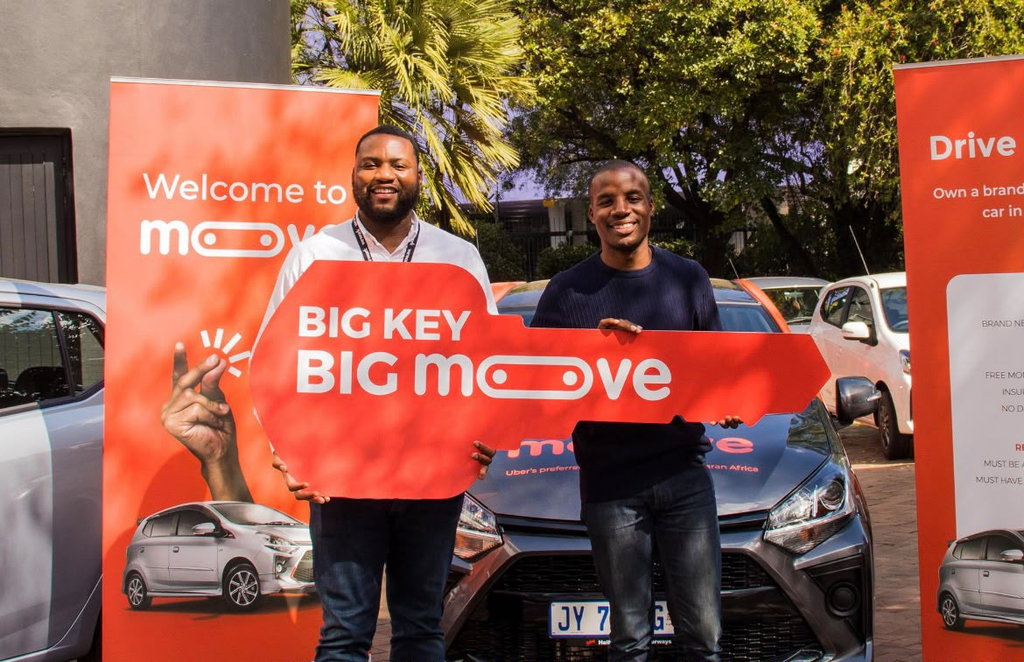
Its Drive-to-Own model gave eligible drivers a pathway towards owning the vehicles they used to earn money. The company also developed rental options for mobility entrepreneurs who needed access to vehicles without immediately purchasing them.
The idea addressed a practical problem in Nigeria’s transport industry: people could have the skills and willingness to work but lack the financial resources to acquire the vehicles needed to do so.
Moove initially partnered with ride-hailing platforms, including Uber, to support drivers and expand access to vehicles. Its business gradually moved beyond Nigeria as demand for mobility financing created opportunities in other markets.
How international investors came on board
As Moove expanded, it attracted the attention of international investors interested in its business model and the wider mobility industry.
One of its major funding milestones came in August 2023, when the company announced a $76 million funding round involving investors including Mubadala Investment Company and BlackRock.
In March 2024, Uber led a $100 million Series B funding round, further strengthening the relationship between the two companies.
The company’s most recent major funding announcement came on August 5, 2026, when it raised $250 million in a Series C round led by Abu Dhabi-based Mubadala Investment Company. Woven Capital, Toyota’s growth-stage investment fund, and Ion Pacific co-led the round.
Other investors named in the company’s announcement include BlueCrest Capital Management, Sona Capital, BlackRock, MUFG, Franklin Templeton and Uber.
The latest funding valued Moove at approximately $2.1 billion, placing it among Africa’s most valuable privately held technology businesses with publicly disclosed valuations.
The company also reported annual recurring revenue of approximately $420 million, alongside a global workforce of more than 3,300 people.
Moove’s ambitions have grown beyond providing cars to drivers.
The company is now positioning itself within the emerging autonomous mobility industry, where vehicles can operate without human drivers. This market requires more than self-driving technology. It also needs companies capable of financing vehicles, managing fleets, maintaining equipment, organising charging and ensuring that vehicles remain available for commercial operations.
Moove is building its business around these requirements.
One of its most significant international partnerships is with Waymo, the autonomous driving technology company. Through the partnership, Moove manages autonomous vehicle fleet operations, including services supporting Waymo in Phoenix and Miami in the United States. London has also been identified as the first international expansion market for their autonomous operations.
This development represents a major shift from the company’s original business in Lagos. A company that began by helping ordinary drivers access vehicles is now participating in the infrastructure supporting the next generation of transportation.
Expansion beyond Nigeria
Moove’s growth has also been supported by international acquisitions. These include its acquisition of Kovi, a mobility and vehicle-financing business in Brazil, and Tokyo Taxi in Japan.
These moves have helped strengthen its presence in international markets and expand its vehicle operations.
The company is now headquartered in the United Arab Emirates, although its origins remain in Lagos, where the business first began with a small fleet.
Its expansion demonstrates how an African-founded company can develop a business model around a local challenge and take that model into international markets.
A major achievement, but a complicated return to its home market
Despite its international growth, Moove’s story has taken a significant turn in Nigeria.
In October 2026, the company announced that it would conclude its Nigerian operations, six years after launching in Lagos. The announcement came shortly after Uber discontinued its operations in Nigeria.
As part of its departure, Moove said eligible customers would receive full ownership of vehicles valued at approximately ₦35 billion, without further payments for the vehicles themselves from October 1, 2026. The company also announced that Nigerian employees would receive cars as part of its appreciation programme.
According to the company, more than 9,000 customers had used its Drive-to-Own and rental products in Nigeria, with vehicles financed through its platform helping customers generate approximately ₦57 billion in revenue.
In explaining the decision, co-founder Ladi Delano acknowledged that Uber’s departure had materially changed the operating environment in Nigeria. After assessing the available alternatives and the economics of continuing, the company concluded that its Nigerian operating model was no longer sustainable.
The decision highlights an important reality in business: international expansion and strong investment do not automatically guarantee that every market will remain commercially viable.
What Moove’s journey says about African entrepreneurship
Moove’s story is significant because it demonstrates the potential of African entrepreneurs to build businesses that compete internationally.
The company did not begin with a plan to manage autonomous vehicle fleets or operate tens of thousands of vehicles across multiple countries. It began with a problem affecting drivers in Lagos and developed a business around solving it.
Its ability to attract investment from organisations such as Mubadala, BlackRock, Uber and Toyota’s Woven Capital also shows the level of international financial interest that a scalable African-founded business can attract.
However, its departure from Nigeria offers another important part of the story. Building a successful global company requires more than identifying a good idea. It also requires sustainable business models, strong partnerships and the ability to adapt when market conditions change.
From its first 76 vehicles in Lagos to a $2.1 billion valuation and a growing role in autonomous transportation, Moove has travelled a remarkable distance in six years.
Its next chapter will be watched closely as it continues to expand internationally and takes on a larger role in the future of mobility.
TNAM