
Kenya Nears Landmark Critical Minerals Deal with U.S. to Boost Local Value Addition
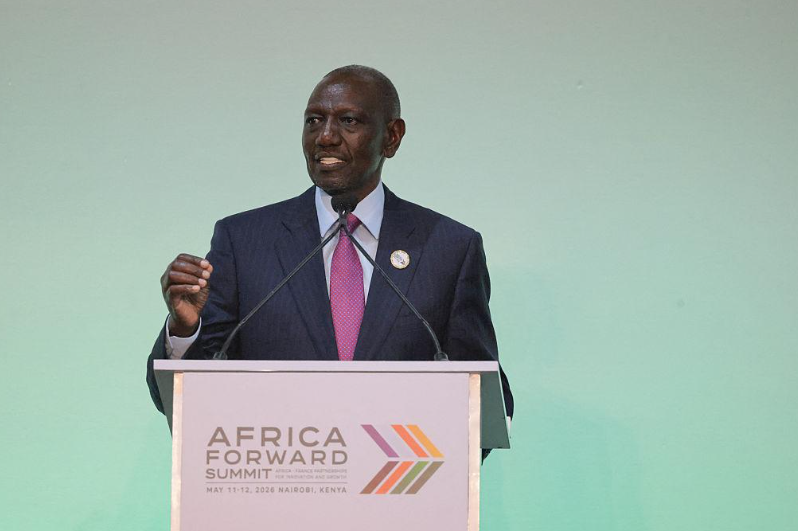
President William Ruto announced that negotiations on the proposed agreement are at an advanced stage, describing the deal as a strategic partnership that will enable Kenya to process more of its mineral resources domestically rather than exporting them in raw form.

Kenya is moving closer to securing a landmark critical minerals agreement with the United States, a development expected to strengthen the country’s mining sector, attract fresh investment and accelerate industrialisation through local value addition.
President William Ruto announced that negotiations on the proposed agreement are at an advanced stage, describing the deal as a strategic partnership that will enable Kenya to process more of its mineral resources domestically rather than exporting them in raw form.
The agreement is expected to focus on critical minerals such as lithium, graphite, copper and rare earth elements, which are increasingly in demand worldwide due to their importance in the production of electric vehicle batteries, renewable energy technologies and advanced electronics.
Speaking on the initiative, President Ruto said Kenya is determined to position itself as a key player in the global critical minerals value chain by promoting local processing and manufacturing.
The proposed partnership aligns with Kenya’s broader economic agenda of creating jobs, increasing exports and developing industries that generate greater value from the country’s natural resources.
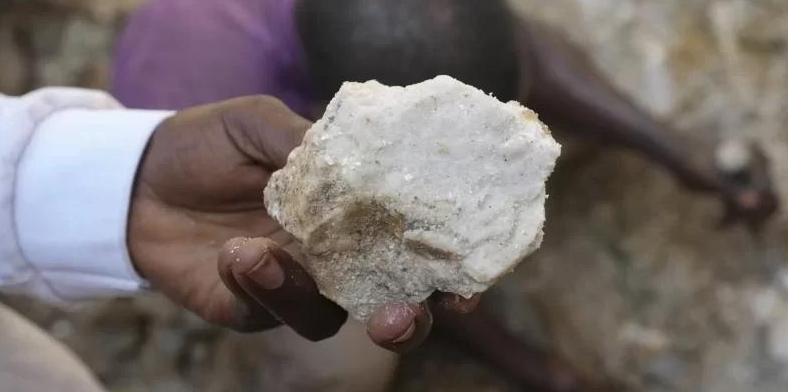
For many years, African countries have exported raw minerals while importing finished products at significantly higher costs. The Kenyan government believes expanding local processing capacity will help reverse that trend by creating employment opportunities, encouraging technology transfer and retaining more economic value within the country.
The agreement also reflects growing international interest in Africa’s vast reserves of critical minerals, which are essential for the global transition to clean energy. As demand for electric vehicles and renewable energy infrastructure continues to rise, countries around the world are seeking reliable and sustainable sources of these strategic resources.
Analysts say the partnership could enhance Kenya’s competitiveness, strengthen its industrial base and position the country as a regional hub for mineral processing and manufacturing.
Beyond its economic significance, the deal is expected to deepen trade and investment relations between Kenya and the United States while supporting broader efforts to diversify global supply chains for critical minerals.
If finalised, the agreement would mark an important milestone in Kenya’s industrial development strategy and reinforce Africa’s growing role in supplying the resources needed for the global green economy.
The development comes as several African countries pursue policies aimed at ensuring that the continent benefits more from its natural resources through local value addition, industrialisation and increased participation in global value chains.
For Kenya, the proposed agreement represents more than a trade partnership it signals a shift towards an economy where natural resources are not only extracted but transformed into products that create jobs, boost exports and drive long-term economic growth.
TNAM
By Egwu Patience Nnennaya
Thursday June 18, 2026.
