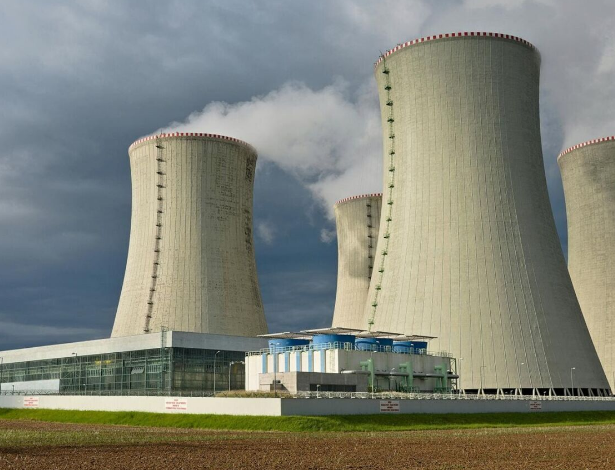
Ethiopia is moving ahead with plans to introduce nuclear energy into its electricity system as the East African country seeks to meet rapidly rising power demand and reduce its heavy dependence on hydropower.
The move does not mean Ethiopia is about to begin operating a nuclear plant. Instead, the government is currently focused on putting the legal, regulatory, technical and institutional foundations in place before any nuclear facility can be developed.
That preparation is particularly important because Ethiopia’s electricity system is already dominated by renewable energy. According to the country’s 2026 National Energy Compact, installed generation capacity stood at 9,761 megawatts in 2025, with more than 95 per cent coming from renewable sources, predominantly hydropower. Energy demand is also increasing by about 12 per cent annually, driven by population growth, urbanisation and industrialisation.
While hydropower has allowed Ethiopia to build one of Africa’s largest renewable electricity systems, heavy dependence on it also exposes the country to climate and water-related risks. The World Bank notes that over-reliance on hydropower increases Ethiopia’s vulnerability to climate shocks, making diversification increasingly important as electricity demand continues to grow.
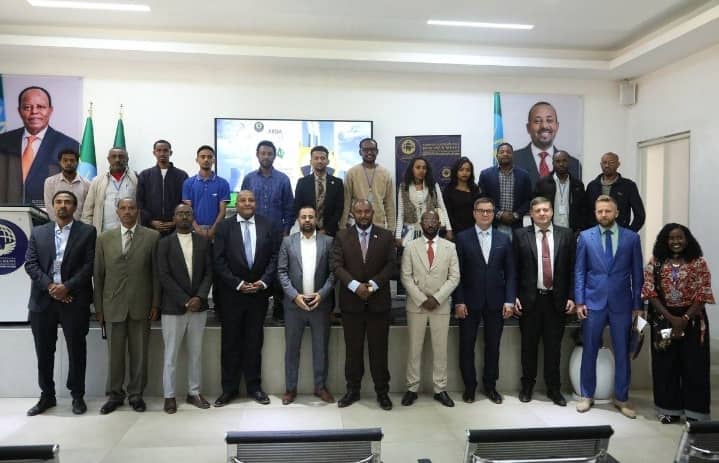
Ethiopia’s nuclear programme received a major institutional boost with the establishment of the Ethiopian Nuclear Energy Commission (ENEC) in 2025. The commission is responsible for coordinating the country’s peaceful nuclear-energy programme and developing the framework required for the safe and secure use of nuclear science and technology. Its mandate extends beyond electricity generation to applications in healthcare, agriculture, industry and environmental protection.
The government is also working with international partners as it develops the programme.
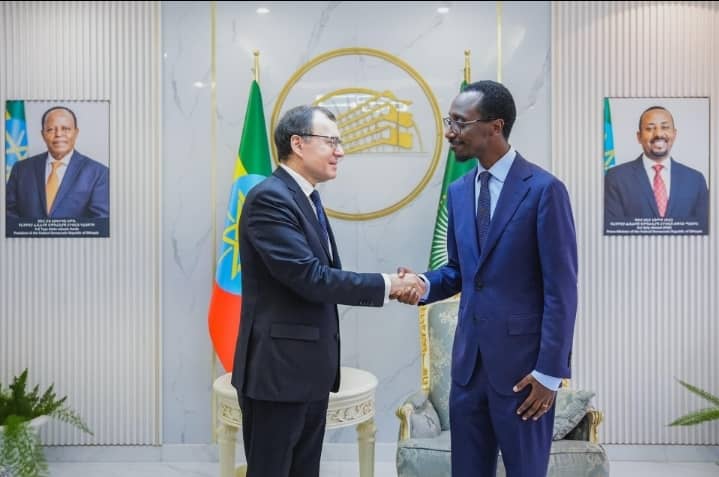
In March 2026, ENEC and Russia’s state-owned nuclear corporation Rosatom signed a Strategic Roadmap for Nuclear Energy Development. The agreement provides a framework for cooperation on feasibility studies, nuclear infrastructure, technology and the development of Ethiopia’s technical capabilities. Ethiopian officials described the agreement as an important step towards translating earlier commitments on peaceful nuclear cooperation into practical projects.
The programme is also placing significant attention on site selection and safety. Choosing a location for a nuclear power plant requires detailed assessments of geological conditions, seismic risks, flooding, environmental impacts, population patterns and emergency-planning requirements. These are standard elements of the International Atomic Energy Agency’s nuclear safety framework for countries considering nuclear power.
This safety-first approach is particularly important for Ethiopia because the country is still developing its nuclear institutions and workforce. Establishing an effective regulatory system, training qualified specialists and developing emergency-response capabilities are among the foundations required before a nuclear power programme can safely move into construction and operation.
Ethiopia’s energy challenge also extends beyond generating more electricity. Despite recent progress, electricity access remains incomplete. The World Bank’s 2026 energy compact says access to at least one source of electricity reached 65 per cent of the population in 2025, but basic electricity service at Tier 1 or above was available to only 44 per cent of the population. The government aims to raise electricity access to around 75 per cent by 2030.
The country is therefore continuing to invest in other forms of energy alongside its nuclear ambitions. Ethiopia’s energy strategy includes hydropower, solar, wind and geothermal resources, while efforts are also underway to strengthen transmission networks, expand electricity access and encourage greater private-sector participation in the power sector.
The scale of Ethiopia’s electricity challenge is closely connected to its economic ambitions. The country has sustained strong economic growth over recent years and is seeking to expand manufacturing, agriculture, digital services and other productive sectors. Each of these industries requires dependable electricity.
Reliable power will also become increasingly important as African economies invest in data centres, digital infrastructure, electric mobility and other technologies that can significantly increase electricity demand.
For Ethiopia, nuclear energy is therefore being considered as part of a longer-term effort to develop a more diversified and resilient power system rather than as a replacement for renewable energy.
The country’s nuclear programme remains at an early stage, and several years of regulatory preparation, feasibility work, financing, technical development and construction would be required before any nuclear plant could begin generating electricity.
What is already underway, however, is significant: Ethiopia is building the institutions and partnerships needed to determine whether nuclear power can become a safe and practical component of its future energy system.
The development is also part of a wider African conversation about energy security. As the continent’s population grows and industrialisation accelerates, governments are under increasing pressure to provide reliable electricity while managing climate risks and attracting investment in new infrastructure.
Ethiopia’s approach illustrates the complexity of that transition. The country is expanding renewable energy while simultaneously examining nuclear power, strengthening regulation and seeking international technical partnerships.
If successfully developed, the programme could eventually give Ethiopia another source of reliable electricity while building domestic expertise in nuclear science, engineering, regulation and advanced technology.
For now, the emphasis remains on preparation, safety and capacity building steps that will determine whether Ethiopia can responsibly translate its nuclear ambitions into a functioning part of its energy future.
TNAM
By Egwu Patience Nnennaya
Wednesday August 12th, 2026.