Russia is discussing major nuclear power projects with four African countries, while separate negotiations over floating nuclear power stations are taking place with Tanzania, Togo and Namibia, as well as Egypt, which is already hosting a major Russian-backed nuclear project.
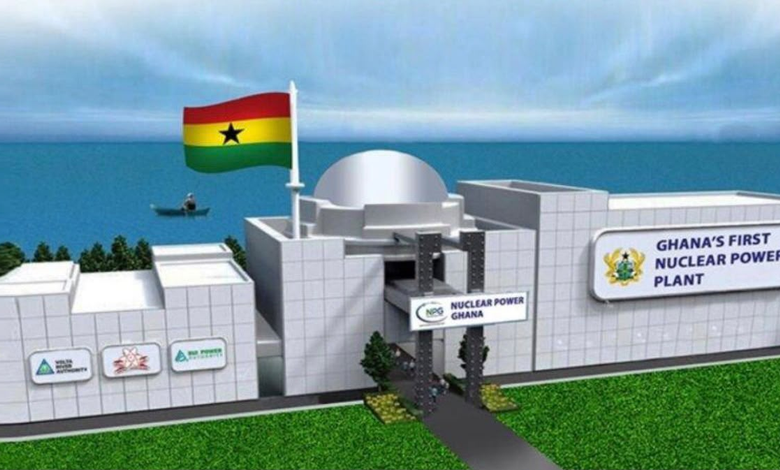
Ghana has announced plans to work with Russia on developing a 2,000-megawatt nuclear power plant, bringing renewed attention to Africa’s growing interest in nuclear energy and the search for more reliable electricity.
The announcement was made by Ghana’s Foreign Affairs Minister, Samuel Okudzeto Ablakwa, on October 31, following discussions between Ghanaian and Russian officials during the Third Russia-Africa Summit in Moscow.
But Ghana is not the only African country involved in the discussions. Russia says it is exploring large-scale nuclear power projects with Uganda, Ghana, Ethiopia and Egypt, while separate negotiations are taking place over floating nuclear power plants for several coastal countries.
The developments point to an expanding energy relationship between Russia and African governments at a time when electricity supply, industrial growth and energy security remain important priorities across the continent.
Ghana’s 2,000MW proposal takes centre stage
Ghana’s announcement is one of the most notable developments to emerge from the recent discussions.
According to Ablakwa, Russia has agreed to work with Ghana towards developing a nuclear power plant with a proposed generating capacity of 2,000 megawatts.
The project is expected to support Ghana’s efforts to strengthen its energy security and provide the electricity needed for industrialisation.
For a country seeking to expand its manufacturing sector, improve infrastructure and attract more investment, a reliable electricity supply is essential. Industries require consistent power to operate efficiently, while businesses and households depend on a stable national grid.
A nuclear power station of the proposed size could make a substantial contribution to Ghana’s electricity generation capacity.
However, the announcement does not mean construction is about to begin. Details concerning the proposed location, financing, construction timetable, ownership arrangements and the project’s technical design have not yet been publicly established.
Ghana’s existing nuclear energy programme has been developing for several years, with the country working towards introducing nuclear power into its electricity mix. Its cooperation with Russia could provide another important avenue in that process.
Four countries in discussions over large nuclear power stations
Russia’s state-owned nuclear energy corporation, Rosatom, has confirmed that it is discussing large nuclear power projects with four African countries: Uganda, Ghana, Ethiopia and Egypt.
The announcement was made by Rosatom’s Director General, Alexei Likhachev, on October 30.
The discussions reflect different stages of nuclear energy development in each country.
Uganda has been working towards introducing nuclear energy into its national electricity system as part of its long-term energy strategy. The country has been exploring the infrastructure, technical expertise and regulatory arrangements needed to support a future nuclear power programme.
Ethiopia is also pursuing its ambition to develop its first large-scale nuclear power station. In March 2026, the country signed a roadmap with Rosatom covering preparations for the proposed project, including work towards selecting a suitable site.
Egypt, meanwhile, is already further ahead. Russia is constructing the El Dabaa Nuclear Power Plant, which will become the country’s first nuclear power station.
Ghana’s proposed 2,000MW facility adds another significant project to the list of potential nuclear developments being discussed across Africa.
Russia is also proposing nuclear power stations that float on water
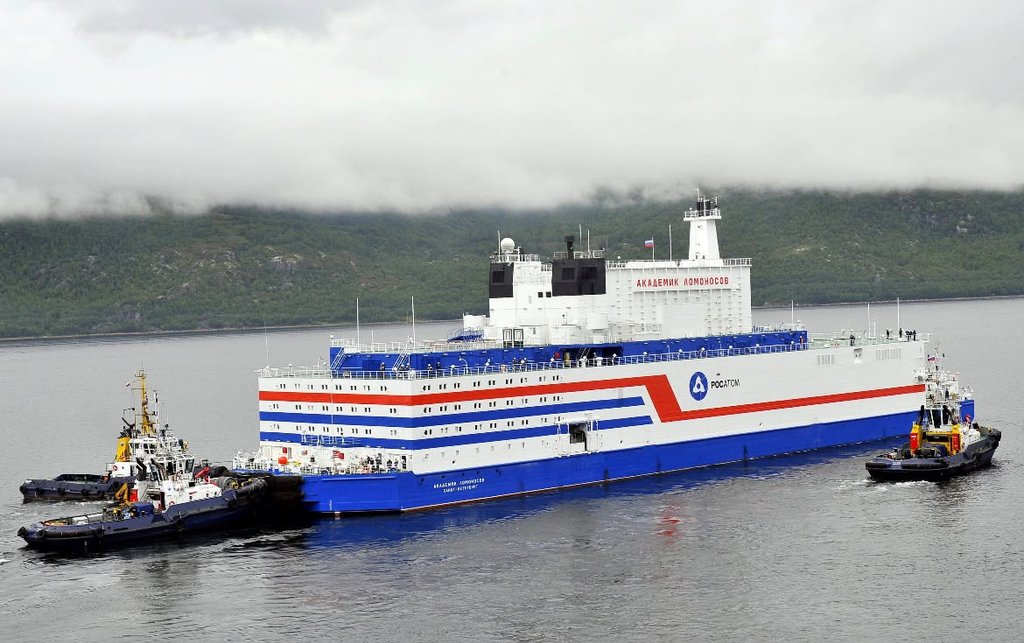
One of the more unusual aspects of the discussions is Russia’s proposal to supply floating nuclear power plants to African countries.
Unlike conventional nuclear power stations, which are constructed on land, these facilities are built on specially designed vessels carrying compact nuclear reactors.
The vessels can be transported to suitable coastal locations, where the electricity they generate can be connected to a country’s power grid.
Rosatom says nine African countries have expressed significant interest in the technology. More detailed discussions are currently taking place with Egypt, Tanzania, Togo and Namibia.
The proposed units are designed to generate approximately 100 megawatts of electricity and would use two RITM-200M reactors adapted for warmer climates.
Under the arrangement being proposed by Russia, Rosatom would supply and maintain the facilities, while participating countries would purchase the electricity produced. Refuelling and major servicing would be carried out in Russia.
The company says the units could operate for up to 60 years.
The proposal is particularly interesting for countries with suitable coastlines that want to explore nuclear energy without beginning with the construction of a conventional large-scale nuclear facility.
However, floating nuclear power plants are not as simple as placing a vessel in the sea and connecting it to electricity lines. They still require appropriate coastal infrastructure, grid connections, regulatory approval, safety arrangements and emergency-response systems.
There is also an important distinction between interest and an actual project agreement. The discussions with the four countries have not yet resulted in publicly announced construction contracts, deployment dates or final project costs.
Egypt’s El Dabaa project shows what the partnership could look like
While several African countries are still exploring their options, Egypt already has a major nuclear power project under construction with Russia.
The El Dabaa Nuclear Power Plant is being developed on Egypt’s Mediterranean coast, approximately 300 kilometres northwest of Cairo.
The project consists of four reactors, each with a planned generating capacity of 1,200 megawatts. Together, they will provide 4,800 megawatts of electricity when all four units are operational.
The facility is being constructed by Rosatom under an agreement between Egypt and Russia.
Once completed, El Dabaa will become Egypt’s first nuclear power station and one of the continent’s most significant electricity infrastructure projects.
Russia has also indicated that Egypt is considering expanding the facility from four to six reactors. Such an expansion would increase the project’s potential generating capacity, although an expansion agreement has not yet been finalised.
Egypt’s experience is particularly relevant to the wider discussions because it demonstrates the scale of investment, technical cooperation and long-term planning involved in establishing nuclear power infrastructure.
Why nuclear energy is attracting African countries
Africa’s electricity challenge is not simply about generating more power. It is also about providing electricity consistently, extending access to underserved communities and building infrastructure that can support economic development.
Manufacturing companies need dependable electricity to run production lines. Hospitals require reliable power for essential equipment, while agricultural businesses need energy for irrigation, refrigeration, food processing and storage.
The growth of digital services, data centres, telecommunications and technology businesses is also increasing the importance of a stable electricity supply.
Nuclear energy is attracting attention because it can generate large amounts of electricity continuously, unlike solar and wind power, whose output depends on weather and environmental conditions.
It could therefore become part of a broader energy mix that includes hydropower, natural gas, solar and wind.
However, nuclear power is a long-term undertaking. Building a nuclear station requires significant financing, highly trained personnel, independent regulatory oversight, strong safety standards and proper arrangements for radioactive waste management.
Countries must also consider the cost of maintaining the facilities, the price of electricity for consumers and the extent to which local workers and companies will participate in the projects.
For African governments, the terms of these partnerships will be just as important as the technology being offered.
Africa’s nuclear energy ambitions are growing
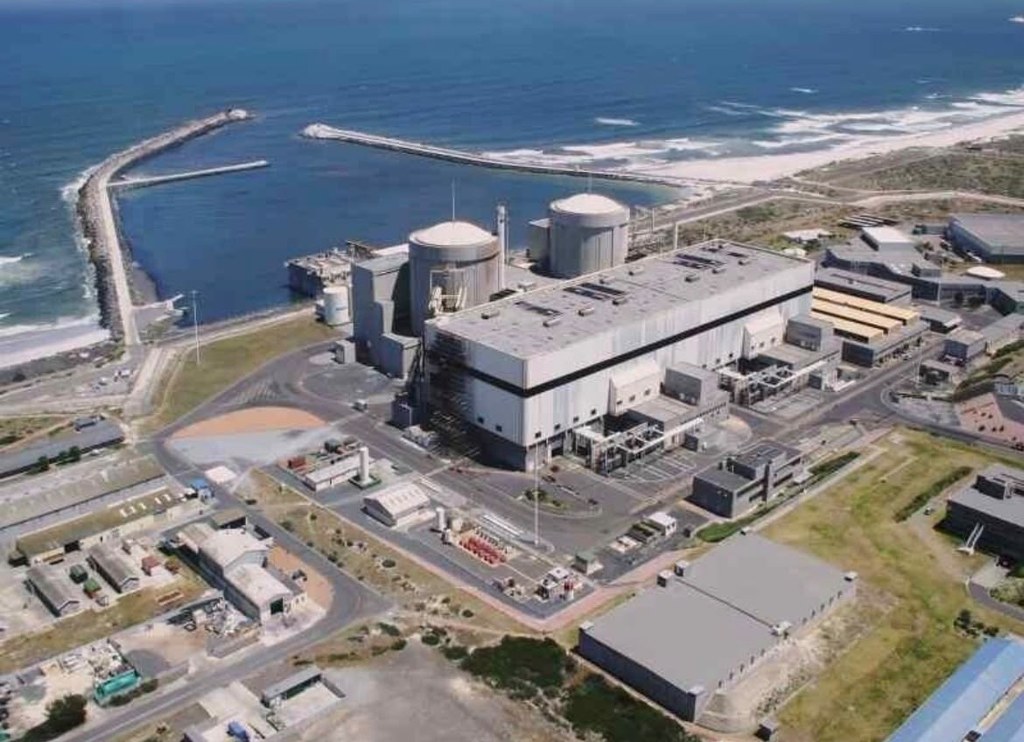
South Africa currently operates the continent’s only commercial nuclear power station, the Koeberg Nuclear Power Station near Cape Town. Its two reactors have a combined generating capacity of approximately 1,860 megawatts.
Egypt’s El Dabaa project is expected to add another major nuclear energy facility to the continent when completed.
Beyond these two countries, several African governments are examining how nuclear technology could contribute to their future electricity needs.
Russia’s latest discussions with African countries represent an important development in that process. They also reflect Moscow’s broader interest in strengthening economic and technological relationships with African governments through energy cooperation.
For Ghana, the proposed 2,000-megawatt plant could become a major part of its future electricity strategy. For Uganda and Ethiopia, the discussions offer another opportunity to advance their nuclear energy ambitions. For Tanzania, Togo and Namibia, the floating power plant proposal introduces a different approach to electricity generation.
Whether these plans eventually become operational projects will depend on financing, technical assessments, regulatory approvals and agreements between the countries involved.
What is clear, however, is that nuclear energy is becoming a more prominent part of conversations about Africa’s future power supply. The decisions made in the coming years could influence how the continent generates electricity, supports industrial growth and meets the needs of its expanding economies.
TNAM